4 min read
Beyond the Gym: What Integrated Corporate Wellness Actually Means
Most workplace wellness stops at fitness sessions. Integration means treating prevention, promotion, protection, and performance as one connected system.
- Workplace Wellness
- Leadership
- Behaviour Change
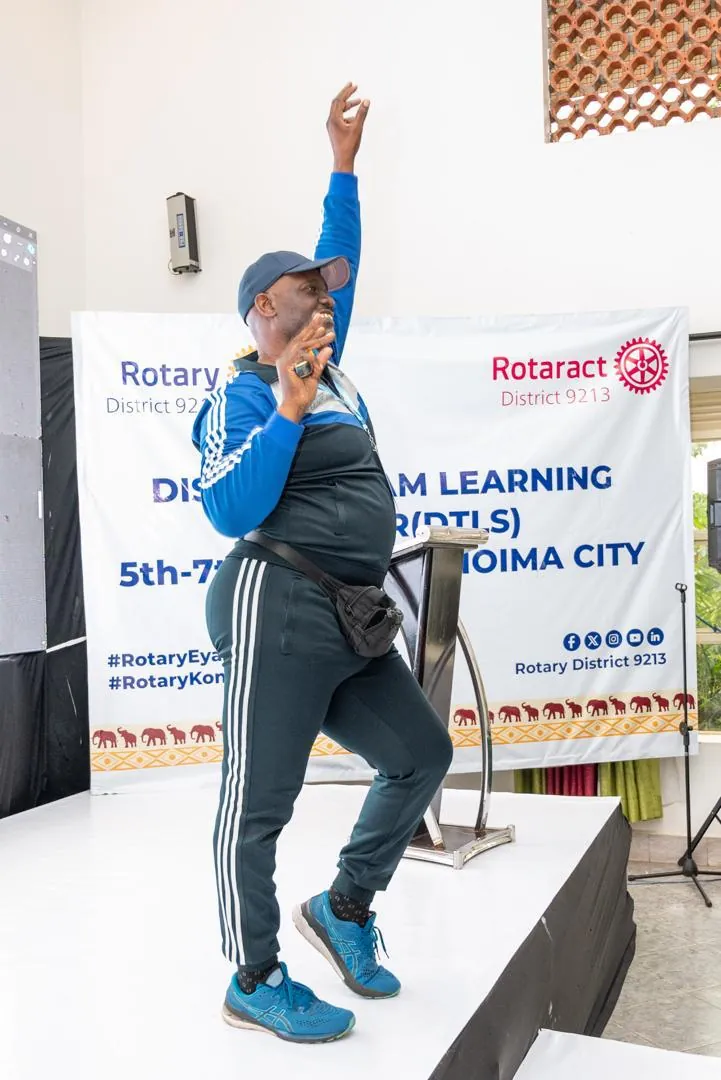
Ask most organisations what their wellness programme consists of and you will hear about fitness. An aerobics session on Fridays. A sports day. Perhaps a gym subsidy that a predictable minority actually use.
None of this is wrong. It is just incomplete in a specific way — and the incompleteness is why so many wellness initiatives generate enthusiasm for six weeks and then quietly stop.
Why isolated activities fade
A fitness session is an event. Events end. When the event is the whole programme, the programme ends with it.
What survives is infrastructure: policy, calendar, committee, budget line, measurement, and a set of defaults that keep operating whether or not anyone is currently excited. That is the difference between an activity and a culture, and it is the difference between something that works in month two and something that still works in year two.
The second failure mode is narrowness. Physical activity addresses one input. The employee who is exercising twice a week but sleeping badly, eating poorly, and carrying unmanaged stress has improved one variable in a system with four.
The four principles
Our philosophy rests on four interconnected ideas. The connection is the point — treated separately they are just categories.
1. Prevent
Prevention is the most effective and sustainable approach to health. Reduce preventable risk through physical activity, healthy nutrition, lifestyle modification, health education, and early intervention. Preventive health saves lives, reduces healthcare costs, and strengthens productivity.
2. Promote
Actively promote healthy behaviour rather than merely permitting it. Through wellness campaigns, health education, fitness programmes, and behaviour change initiatives, organisations create cultures where healthy living becomes part of everyday life rather than a thing people mean to get around to.
3. Protect
Healthy organisations protect their people. That means addressing physical health, nutrition, mental wellbeing, workplace stress, burnout prevention, and the work environment itself. Protecting people is protecting organisational performance — the two are not in tension.
4. Perform
Healthy people perform better. When employees are physically active, mentally resilient, and emotionally supported, organisations see increased productivity, better teamwork, higher engagement, improved morale, greater creativity, reduced absenteeism, and a stronger culture.
What integration changes in practice
The four principles reinforce each other, which is why running them together produces results that running them separately does not.
Screening (Prevent) identifies who is at risk. That informs which programmes to run (Promote). Those programmes surface stress and workload issues that a fitness class alone would never reveal (Protect). And the resulting improvements show up in engagement and output (Perform) — which is what secures the budget for the next cycle.
Run in isolation, each of those loops stays open. Run together, they close.
The uncomfortable part
Integration requires the organisation to change, not only the employees.
That is a meaningfully different proposition from booking a Friday aerobics session, and it is where many programmes stall. It means examining canteen contracts, meeting culture, workload distribution, leave patterns, and whether managers model the behaviour being asked of everyone else.
It is more work. It is also the only version that survives contact with a busy quarter.
Where to start
Not with a programme. With an assessment.
Every organisation is different — different cultures, different people, different priorities, different challenges. Beginning with a template means solving a problem you have not yet confirmed you have. Beginning with an assessment tells you which of the four Ps is actually your weakest, and therefore where the first intervention belongs.
Our ultimate goal is to help organisations achieve sustainable high performance through healthier people. That is a longer road than a fitness class, and considerably more durable.
Want to know which of the four Ps your organisation is weakest on? That is what the free 30-minute baseline assessment is designed to establish.